
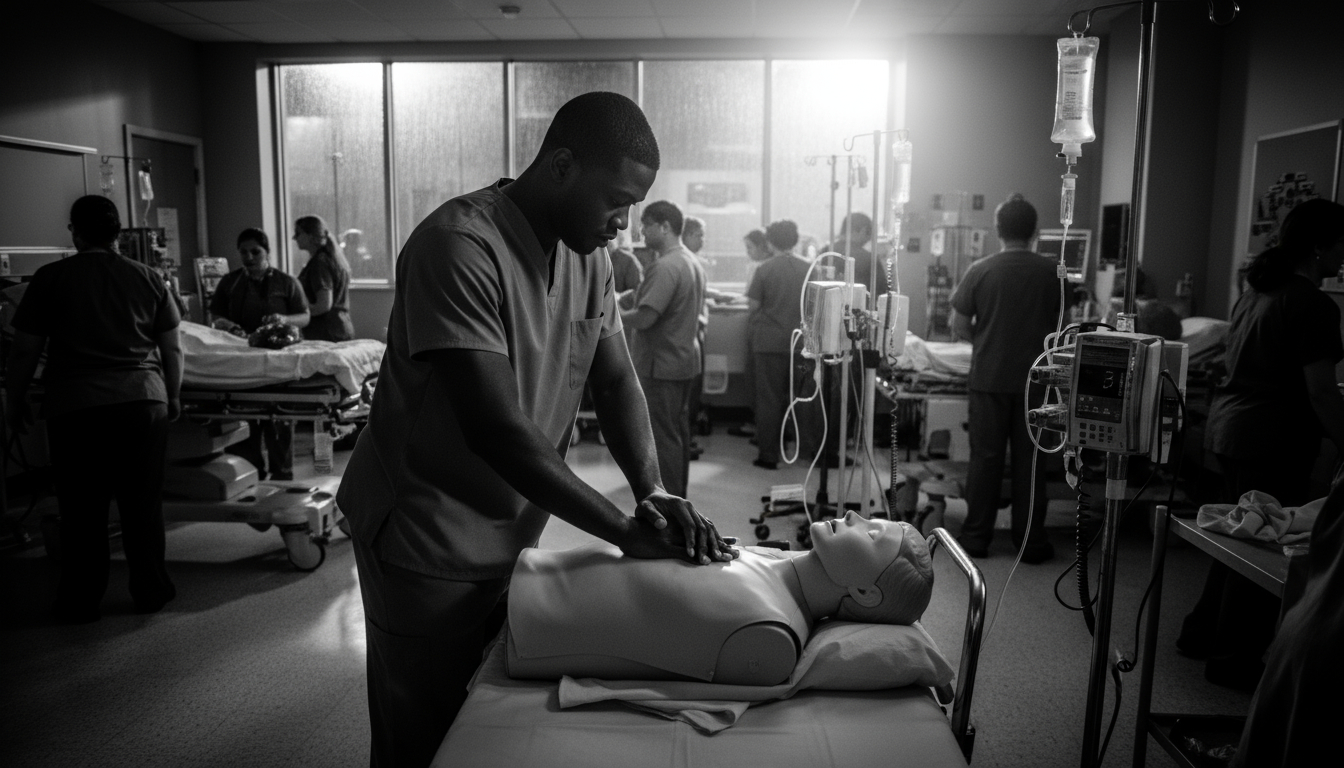

When it comes to meeting Florida Board of Nursing remedial course requirements, completing your clinical hours is just as important as studying theory online. Clinical practice ensures you can apply your knowledge in real-world settings, gain confidence, and demonstrate safe, competent care. In this guide, we’ll explain the role of clinical hours in a remedial program, how they’re structured, and why they’re essential for regaining your nursing license.

1. Why Clinical Hours Are Required by the Florida BON
- The BON mandates clinical practice to ensure returning nurses can provide safe, effective care.
- Clinicals bridge the gap between theory and patient care.
2. How Clinical Hours Are Structured in a Remedial Program
- Most programs combine on-demand lectures (theory) with community-based clinical hours.
- Typically split into 50% online modules and 50% in-person supervised practice.
3. The Skills You’ll Practice During Clinicals
- Patient safety and infection control.
- Medication administration and documentation.
- Critical thinking in patient care scenarios.
- Communication with patients, families, and healthcare teams.
4. Benefits of Clinical Experience in Your Remedial Course
- Builds confidence before returning to the workforce.
- Refreshes hands-on skills you may not have used in years.
- Allows direct application of NCLEX-style learning in real scenarios.
5. What to Expect from Supervisors and Preceptors
- Licensed nurses provide oversight, feedback, and evaluation.
- Supervisors ensure students meet Florida BON requirements.
6. How Clinical Hours Help with NCLEX Success
- Reinforces critical judgment and priority-setting.
- Helps you connect textbook knowledge with patient outcomes.

FAQ Section
Q: How many clinical hours are required in a Florida remedial course?
A: Typically 96 hours, though exact requirements may vary by provider.
Q: Where do clinical hours take place?
A: In community-based settings such as clinics, long-term care, or outpatient facilities.
Q: Do I need to arrange my own clinical placement?
A: No, placements are coordinated by the program provider.